
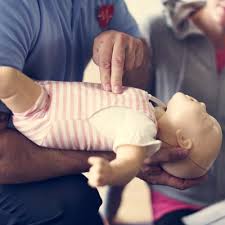
Level 3 Paediatric First Aid (Classroom Day + E-Learning)
Blended Level 3 Paediatric First Aid course combining e-learning and a practical classroom day, fully aligned with EYFS and Ofsted requirements for nurseries, schools and childcare providers.
Overview
This blended Level 3 Paediatric First Aid course combines e-learning with a classroom training day to equip you with the practical skills and confidence to respond to emergencies involving babies and children. It meets Ofsted requirements set out in the EYFS statutory framework, making it ideal for nurseries, schools, childminders and other early years providers who need a recognised paediatric first aid qualification.
More detail
Course syllabus
Module 1: Emergency Response & First Aid Essentials
- Roles & responsibilities of a Paediatric First Aider
Understand the key duties of a paediatric first aider, including legal responsibilities and acting calmly and effectively in an emergency.
- Safe scene assessment & prioritising actions
Learn how to assess a scene, identify dangers, prioritise casualties and decide on the most appropriate first aid actions.
- Effective communication with children & infants
Develop techniques for communicating clearly and reassuringly with babies, children and carers during first aid incidents.
- Primary & Secondary Survey (DR ABC)
Use structured primary and secondary surveys to assess breathing, circulation and responsiveness in paediatric casualties.
- Recording & reporting incidents
Know what information to record, how to complete accident forms and when incidents must be reported.
Module 2: CPR, AED & Recovery
- Infant & child CPR
Practise high-quality CPR techniques for infants and children using manikins, following current Resuscitation Council guidance.
- Safe use of AED on paediatric casualties
Gain confidence using an Automated External Defibrillator (AED) safely and effectively on babies and children.
- Knowing when to start and stop CPR
Understand when CPR should be commenced, when it may be paused or stopped, and how to work with emergency services.
- Recovery position for infants & children
Learn how to place infants and children in the recovery position and monitor breathing while awaiting further help.
Module 3: Choking, Seizures & Medical Emergencies
- Managing choking in babies, children & adults
Recognise partial and complete airway obstruction and apply practical choking responses using age-appropriate techniques.
- Recognising seizure types
Identify different seizure types including absence, focal, febrile and generalised seizures in infants and children.
- Managing seizures and post-incident care
Provide safe first aid during a seizure and deliver appropriate post-seizure care and monitoring until recovery or handover.
Module 4: Wounds, Bleeding & Shock
- First aid for minor injuries
Treat common injuries such as cuts, grazes, bruises, nosebleeds, burns and splinters in babies and children.
- Controlling bleeding
Apply techniques to control bleeding from minor to more severe wounds, including appropriate dressing and pressure.
- Catastrophic bleeding options
Understand when tourniquets and wound packing may be considered for catastrophic bleeding (trainer dependent).
- Managing shock & life-threatening injuries
Recognise signs of shock and life-threatening injuries such as amputations and internal or penetrating wounds, and provide effective first aid while awaiting emergency services.
Obtaining your certificate
On successful completion of the blended learning and assessments, you will receive a Level 3 Paediatric First Aid certificate, valid for 3 years. The qualification is FAIB accredited and accepted nationwide by Ofsted-registered childcare settings and employers.
Assessment
Assessment is through practical demonstrations combined with multiple-choice questions (MCQs), testing both hands-on skills and underpinning paediatric first aid knowledge.
Who is it for
Anyone working with infants and young children in early years settings, including nurseries, schools and childminders, as well as other childcare providers who must meet EYFS and Ofsted paediatric first aid requirements.